
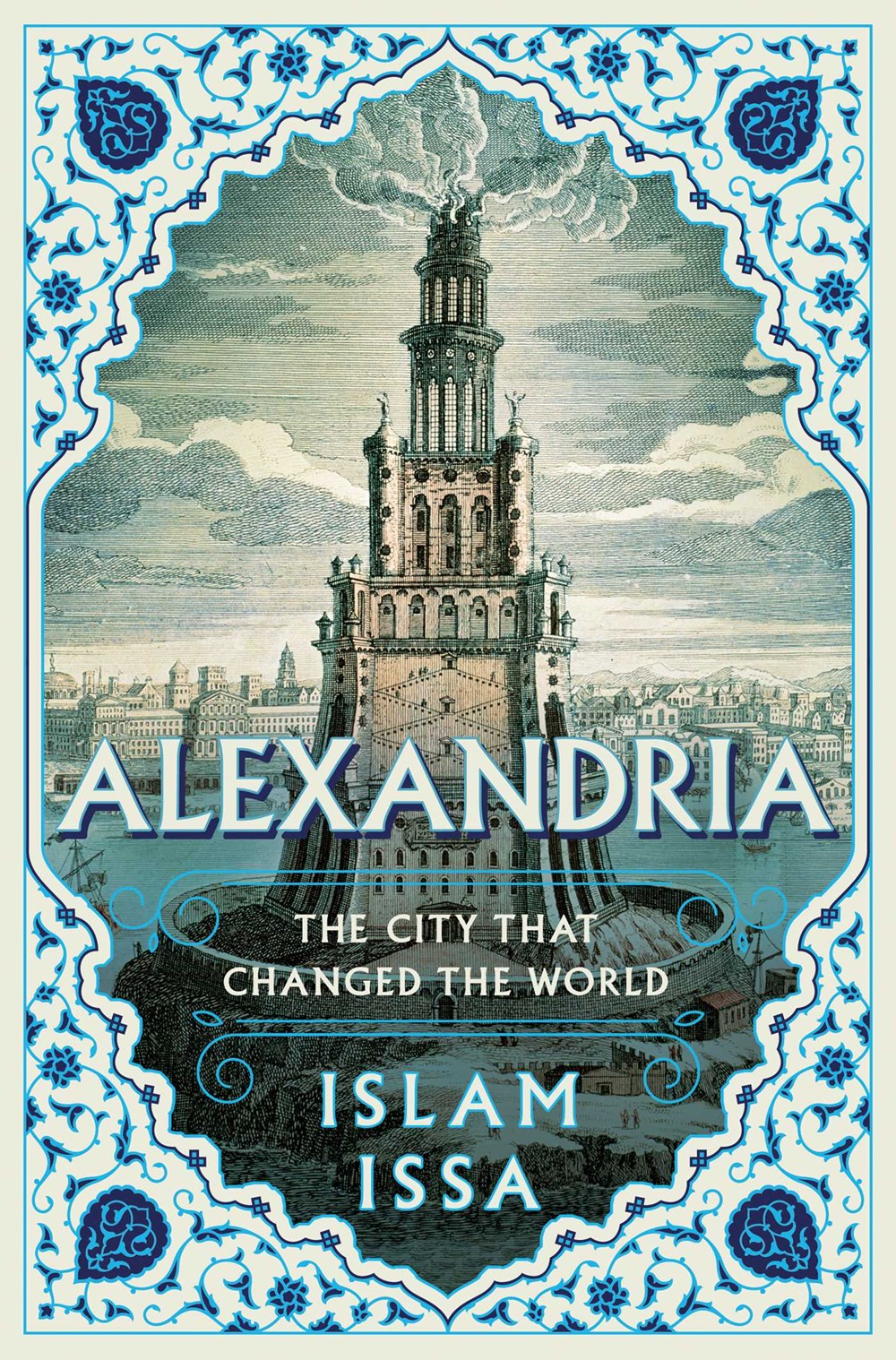
Alexandria stands as a place apart. A major city, it belonged to the Romans and has changed hands through the centuries; yet one thing remained constant through all of that: it maintained its own unique identity, no matter who claimed it as their own. Still today it is separate from the country and even the continent that harbors it. It is this distinctive stance and complex history that Issa speaks to in his book, Alexandria. First and foremost, this novel is the story of Alexandria. It’s all about the city itself: how this thriving metropolis affected the world and how the world affected it. This book follows the fortunes of the city, detailing each shift and change from the founding of Alexandria to the Ptolemies, Greeks and Romans, the Islamic Empire and even the World Wars—straight on to the modern day. As someone who was only familiar with the history of Alexandria in ancient times, it was fascinating to learn how the more recent developments of history had changed the fate of this metropolis. Others might have a dissimilar experience, but for me it seemed to drop off the map entirely with the fall of the Roman Empire. Of course, that is not the case; but for some reason we seem to cease talking about it after the Roman conquest.
Culture is a major point in both the history of the city and Alexandria. Issa speaks to the change and development of Alexandrian culture over time. Not only that, but how their culture was erased and stripped away from them, (mostly by the British in the time of the world wars) then redefined. From art to music to literature, new uniquely Alexandrian artists arose with an exclusively Alexandrian view; Issa devotes an entire chapter to detailing the cultural renaissance. This recreation of exclusively Alexandrian art and tradition is at the heart of Alexandria. At the very start the city sought to set itself apart and create its own unique standing amongst the other major cities of the world. Though the makeup of the metropolis might have changed over time, it never truly stopped doing so.
Issa makes it clear that from the very moment Alexander the Great stepped upon the shore and dreamed up this great city, it was to be a place of tolerance, and multiculturalism, inciting and welcoming people from across the globe. This, of course, made it unique for its time. Even though it took a while to turn this dream into a reality, all in all, the city has upheld that vision through millennia. Alexandria was a place where Jews, Muslims and Christens lived side by side. Greeks, Armenians, Italians, British and French all made a home there at one time or another as people flocked to the city from all over the world and decided to stay. Alexandria has always returned to the multiculturalism of its foundation time and time again. Truthfully, it has always been a melting pot, even if its current overlords didn’t want to advertise the fact.
As beautiful as Alexander’s dream was, with all these mixed cultures, oppression reared its ugly head. The ebb and flow of peoples due to oppression, persecution and prejudice are a sad, ugly side of its history. Every group was looked down on at one time or another. The local population even persecuted the Romans at one point and slaughtered them when Christianity was on the rise in the city. The greatest example of this was Hypatia of Alexandria who was killed in a particularly brutal fashion, all because she dared to revive Roman classical teachings. People have been killed by rabid angry mobs or even publicly executed in cold calculated fashion. Multiple groups were even chased out of the city—literally or merely pursued by fear of their fellow Alexandrians. Buildings have been destroyed and temples ripped down or replaced by the rising power—such as the conversion of churches to mosques. In more modern times Nationalist sentiment drove non-native populations to abandon the city. Yet, all that hatred did not change the fact that Alexandria was a melting pot, composed of a variety of different peoples and cultures.
Most of all this book is a love letter to his family and his city: Alexandria. That love truly shines through more than anything else. Issa seeks to share that love through this great city’s history, but it comes out in other ways too. Every now and then the story of the city mixes with that of his own relatives. It’s fascinating to hear of their experiences. Alexandria always takes the time to detail their life, thoughts, feelings, and personal experience of historical events when relevant. From time to time the book switches to first person view as Issa offers a window into present day Alexandria. He details the busy bustling city street in real time on the ground, portraying the vivid life of Alexandria in brilliant colors. This is most prevalent in the epilogue where the past and present mix as he walks through the city. I have to admit this part gave me goosebumps: it was the perfect end to his story. Not only that but stringing this throughout the book was a brilliant move: it draws readers into the story and the heart of the city and makes them feel as though they’re actually there—without physically being there. By the end it feels like you’ve visited Alexandria without needing to travel there to explore the city. Though reading this book will certainly make you want to.
 Brainfullofbooks
Leave a comment